
Crypto Wallet Guide 2026: Types, Security, and How to Choose
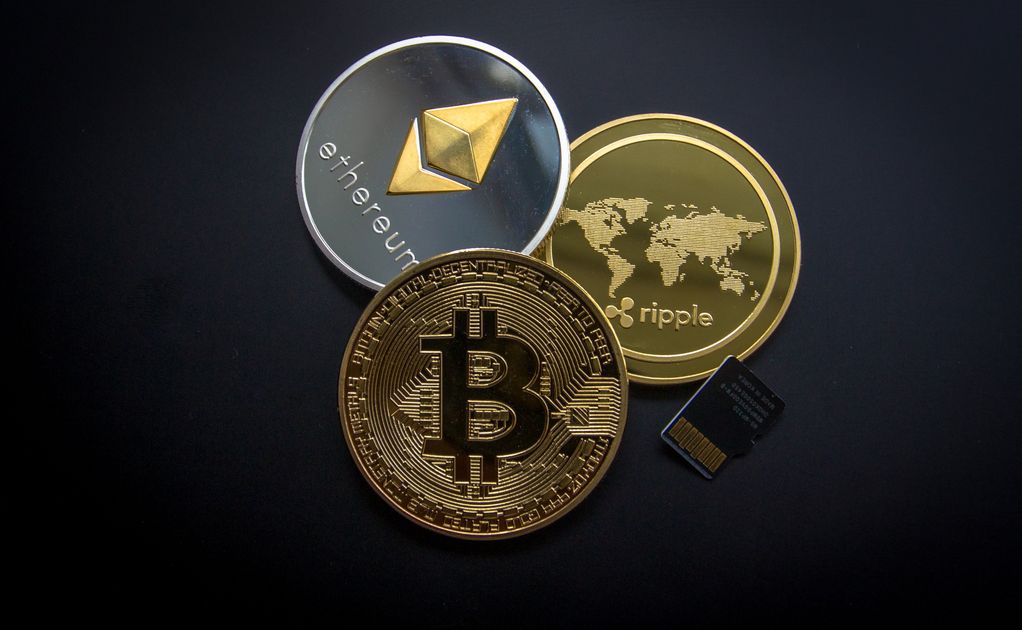
Photo by David McBee on Pexels
“Not your keys, not your coins” — the phrase that became financially prophetic when FTX collapsed in 2022, wiping out billions in customer funds held on exchange. In 2026, most serious crypto holders understand the principle, but still make wallet choices based on convenience rather than security. The reality is that the right wallet setup depends on how much you hold, how often you trade, and how much you trust yourself to keep a seed phrase safe versus how much you trust a custodian.
This guide covers every wallet type in practical terms — how they actually work, what they protect you from, what they leave you exposed to, and which specific products are worth using. Whether you hold $500 in Bitcoin or $500,000 in a diversified portfolio, the right answer to wallet architecture is not the same.
How Crypto Wallets Actually Work
A common misconception: crypto doesn’t “live in” a wallet. Your cryptocurrency lives on the blockchain. A wallet is a software or hardware tool that holds your private keys — the cryptographic credentials that prove you control funds at a given address. Whoever controls the private key controls the crypto. Lose the key, lose the crypto. This is final and irreversible.
Every wallet generates a seed phrase — typically 12 or 24 random words — that is the master backup for all private keys in that wallet. Anyone with your seed phrase has full access to all your funds. Write it on paper, store it offline, never photograph it or type it into any device connected to the internet.
| Wallet type | Connectivity | Who holds keys | Security level | Convenience |
|---|---|---|---|---|
| Custodial (exchange) | Always online | Third party (exchange) | Depends on exchange | Very high |
| Hot wallet (software) | Online | You | Moderate | High |
| Mobile wallet | Online | You | Moderate | Very high |
| Desktop wallet | Semi-online | You | Moderate-good | Good |
| Hardware wallet (cold) | Offline by default | You | Excellent | Moderate |
| Paper wallet | Always offline | You | Excellent (if kept safe) | Low |
| Multi-sig wallet | Varies | Distributed | Excellent | Lower |
Custodial Wallets: The Exchange Option
When you buy crypto on Coinbase, Kraken, or Gemini and leave it there, you’re using a custodial wallet. The exchange holds your private keys. You have a username and password, not a seed phrase. Your crypto is accessible from any device by logging in — highly convenient — but you’re dependent on the exchange’s security, solvency, and good behavior.
Reputable US exchanges (Coinbase, Kraken, Gemini) are regulated, carry insurance, and implement strong security practices. Leaving small amounts on them for active trading is a reasonable convenience trade-off. Leaving large holdings — anything you’d be upset to lose — is a different calculation. FTX had a good reputation until it didn’t. The counterparty risk is real.
Pros: Easiest access, integrated trading, supports staking and yield products, recovery via email/customer service.
Cons: Exchange controls your keys, exchange insolvency = potential loss, hacking risk (though major exchanges have never been successfully hacked since 2017), regulatory seizure risk.
Hot Wallets: Software on Connected Devices
A hot wallet is software — a browser extension, mobile app, or desktop application — that generates and stores your private keys on an internet-connected device. You control the keys (non-custodial), but the device’s internet connection is an attack surface. Phishing, malware, SIM-swapping, and clipboard-hijacking attacks all target hot wallets.
The most widely used hot wallets in 2026: MetaMask (Ethereum and EVM chains, browser extension), Phantom (Solana), Trust Wallet (multi-chain mobile), Exodus (desktop, beginner-friendly), and Rainbow (Ethereum, mobile, clean UX). For interacting with DeFi protocols, NFT marketplaces, and dApps, a hot wallet is functionally necessary — hardware wallets add friction that breaks most dApp flows.
Pros: Free, easy to use, required for DeFi interaction, multiple chain support.
Cons: Private keys on internet-connected device, phishing and malware risk, no protection if your device is compromised.
Hardware Wallets: The Cold Storage Standard
A hardware wallet is a physical device that stores your private keys entirely offline. When you send a transaction, you physically confirm it on the device — the private key never touches your computer. Even if your computer is fully compromised with malware, the attacker cannot sign transactions without physical access to the device and your PIN.
The two dominant hardware wallet brands are Ledger (Nano S Plus at $79, Nano X at $149, Stax at $279) and Trezor (Model One at $69, Model T at $179, Safe 5 at $169). Both are reputable. Ledger had a controversial 2023 firmware update (Ledger Recover) that raised concerns about key security, though the core security model remains intact for standard use. Trezor’s open-source firmware is auditable.
For anyone holding more than $5,000 in crypto — and arguably for anyone holding more than $1,000 — a hardware wallet is the correct choice for long-term storage. The $79 cost of a Ledger Nano S Plus is trivial insurance.
Pros: Private keys never touch internet, physical confirmation required for transactions, immune to most remote attacks.
Cons: Physical device can be lost, stolen, or damaged (seed phrase backup is critical), less convenient for frequent trading, doesn’t work seamlessly with all dApps.
The Right Wallet Architecture for Different Situations
Most serious crypto holders use a layered approach: hardware wallet for long-term holdings, hot wallet for active DeFi/trading positions, and exchange for fiat on/off ramps.
| Holdings amount | Recommended setup |
|---|---|
| Under $1,000 | Exchange or mobile hot wallet is fine |
| $1,000–$5,000 | Hardware wallet for long-term, hot wallet for active portion |
| $5,000–$50,000 | Hardware wallet (Ledger or Trezor) + separate seed phrase backup |
| $50,000–$500,000 | Hardware wallet + metal seed backup + consider multi-sig |
| $500,000+ | Multi-sig setup (2-of-3 hardware wallets), preferably geographically distributed |
How to Choose the Right Wallet
- Start with what you hold and how active you are. Passive long-term holders need hardware wallets. Active DeFi traders need hot wallets. Most people need both.
- Never store your seed phrase digitally. Write it on paper, preferably on a metal backup plate (Cryptosteel, Bilodal) that won’t burn or flood. Store in a fireproof location. Consider giving a second copy to a trusted person in a sealed envelope.
- Verify hardware wallet purchases through official channels only. Never buy a hardware wallet from Amazon third-party sellers or secondhand. A tampered device can steal your funds.
- For multi-chain holdings, choose a multi-chain wallet. Exodus (desktop) and Trust Wallet (mobile) support 50+ blockchains. MetaMask is Ethereum/EVM only; Phantom is primarily Solana.
- Test with a small amount first. Before transferring significant holdings to any wallet, send a small test transaction, confirm it arrived, and verify you can sign a transaction from the new wallet.
💡 Editor’s pick: For most people’s first hardware wallet, the Ledger Nano S Plus ($79) is the right choice. It supports 5,500+ assets, has a solid track record, and the price is low enough that the security cost is trivially justified. Pair it with Ledger Live for straightforward portfolio management.
💡 Editor’s pick: Store your seed phrase on a stainless steel backup plate, not just paper. Cryptosteel Capsule ($99) and Bilodal ($30–$60) are the most durable options. Paper burns, floods, and fades. Metal lasts for decades.
💡 Editor’s pick: For Ethereum DeFi, use MetaMask as your hot wallet and connect it to your Ledger via MetaMask’s hardware wallet integration. You get MetaMask’s dApp compatibility with hardware wallet signing security — the best of both worlds for active DeFi users.
FAQ
What happens if I lose my hardware wallet? Nothing, as long as you have your seed phrase. Buy a new device, restore from the seed phrase, and your funds are accessible again. The device itself doesn’t hold the crypto — it holds the keys, which are derivable from the seed phrase.
Can a hardware wallet be hacked remotely? No. The private key never leaves the hardware device, so there’s no way to extract it remotely. The attack surface is physical: someone steals your device AND knows your PIN, or gets your seed phrase.
What’s a multi-sig wallet and do I need one? Multi-signature wallets require multiple private key signatures to authorize transactions (e.g., 2-of-3 keys must sign). This protects against a single point of compromise. Tools like Gnosis Safe (for Ethereum) or Bitcoin multi-sig addresses enable this. Necessary at very high holdings; overkill for most users.
Is MetaMask safe? MetaMask is a reputable, widely audited hot wallet. It’s as safe as a hot wallet can be — which means it’s vulnerable to phishing (fake MetaMask sites), malware on your device, and malicious dApp interactions. Never connect MetaMask to a site you don’t trust, and store significant holdings in hardware wallets, not MetaMask.
How do I move crypto from an exchange to a hardware wallet? Get the receiving address from your hardware wallet for the coin you want to transfer. On the exchange, initiate a withdrawal, paste the hardware wallet address, verify it (check the first and last 4 characters), confirm the transaction, and wait for blockchain confirmation.
What if I forget my hardware wallet PIN? After a number of incorrect PIN attempts (3–5 depending on device), the hardware wallet wipes itself. You restore using your seed phrase on the same or new device. The PIN protects against physical theft; the seed phrase is the master backup.
Related Reading
- How to Buy Bitcoin: A Step-by-Step Guide
- Crypto Tax Guide 2026: What You Need to Know
- DeFi vs CeFi: Which Is Right for You?
- Ethereum vs Bitcoin: Key Differences Explained
Final Verdict
The wallet landscape in 2026 is mature enough that the right tools exist for every use case and every level of technical comfort. For casual holders under $1,000, an exchange or reputable mobile hot wallet is a reasonable starting point. For anyone with meaningful holdings, a hardware wallet is the standard — not because hot wallets are bad, but because the $79 cost of eliminating remote key theft risk makes it an obvious investment. And for high-net-worth crypto holders, multi-sig architecture is where security best practices have landed.
The most common and preventable mistakes are keeping too much on exchanges, storing seed phrases digitally, and buying hardware wallets from unverified sellers. Avoid those three and your crypto security is dramatically better than average.
Disclaimer: Cryptocurrency investing involves significant risk. This article is for informational purposes only and does not constitute financial or investment advice. Cryptocurrency regulations and product availability vary by jurisdiction. Always verify wallet addresses before sending funds.
By FinaceStoks Editorial · Updated June 8, 2026
- crypto wallet
- hardware wallet
- cryptocurrency security
- cold storage